8

















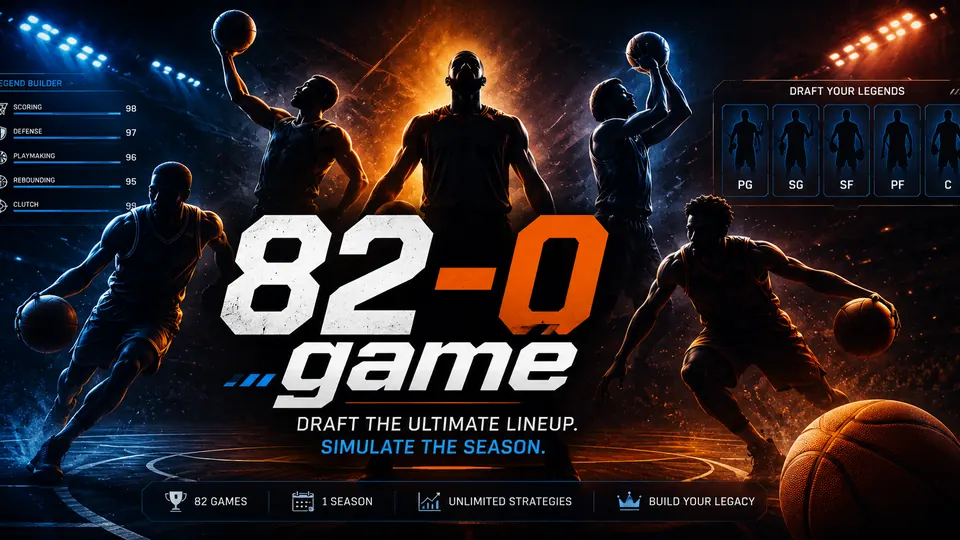
Sports games often blend real-world stats with interactive decision-making. In the, you draft players based on full stats and assign positions to create a balanced team. The goal is to win all 82 games in a season, testing your knowledge of player abilities and team chemistry. This category emphasizes strategic planning and execution, appealing to fans who enjoy the analytical side of sports.
A core mechanic in many sports games is drafting, where you select players to form a competitive roster. In the, you tap a player to select them and then choose their position, mimicking the real NBA draft process. This decision-making is crucial, as each player's stats influence your team's performance. The challenge lies in balancing star power with positional needs, a common puzzle in sports management simulations.
Different sports games offer varied pacing and control. Some focus on quick, arcade-style matches, while others simulate full seasons with detailed statistics. The falls into the latter, as you aim for a perfect 82-0 record, requiring consistent performance across many games. This long-term goal adds depth, appealing to players who enjoy sustained challenges and strategic adjustments over time.
The primary goal is to build a team and win games, often with a specific target like a perfect season. In the, you draft an all-time NBA team and try to go undefeated through 82 games.
Drafting involves selecting players from a pool, usually based on their stats and fit for your team. In the, you tap a player to select them and then assign their position, which affects your lineup's balance.
It varies. Some sports games emphasize real-time control of players, while others focus on strategic decisions like drafting and lineup management. The leans toward strategy, as you're building a team and simulating a season rather than controlling gameplay directly.
